
Bathroom Vanity Buying Guide
A bathroom vanity is one of the more significant purchases in a home renovation, and the variables that determine the right choice are genuinely complex. Size, configuration, installation type, cabinet construction, countertop material, sink style, and hardware finish all interact in ways that affect both how the vanity looks and how it performs over the years you will use it. This bathroom vanity buying guide consolidates everything that matters into a clear, sequential framework — so you can move from "I need a new vanity" to "I know exactly what I want" with confidence.
Section 1 — Establish Your Requirements
Before evaluating any specific vanities, establish the parameters that are non-negotiable for your space. Measure the wall width where the vanity will go, the distance to any opposing fixtures, and the location of existing plumbing. Confirm the floor plan allows the required clearances: 15 inches minimum from sink centerline to any side wall (21 to 24 inches is more comfortable), and 21 to 30 inches of clear floor space in front. Determine whether you need one sink or two, and whether the vanity needs to fit against a single wall or could work in a corner. This set of measurements becomes the hard filter through which all vanity options pass — only products that fit these requirements should be considered further.
Section 2 — Understand Construction Quality
Vanity quality varies enormously, and the differences are not always visible in photos. The cabinet box material is the single most important quality indicator: solid wood or cabinet-grade plywood resists moisture and warping far better than particleboard or MDF, which are common in lower-price vanities. Drawer construction is the next indicator: dovetail joints are the gold standard, far stronger than stapled or glued joints. Soft-close drawer slides and door hinges are standard in mid-to-high quality vanities and make a meaningful difference in the feel of daily use. Finish quality — whether the paint is even, the stain is consistent, and the edges are smooth — is the most visible indicator of overall production standards. A well-built vanity from a quality manufacturer will look and perform beautifully for fifteen to twenty years; a poorly built one may begin showing wear within five.
Browse our curated vanity collection — every product is selected for quality construction, lasting finishes, and genuine value. Free shipping on every order.
Section 3 — Choose the Right Countertop
Many bathroom vanities are sold with countertops included; others require a separate countertop selection. Engineered quartz is the most practical choice for most bathrooms — it is non-porous (does not require sealing), highly scratch and stain-resistant, and available in a wide range of colors and patterns that convincingly mimic natural stone. Natural marble is beautiful and adds genuine luxury but requires periodic sealing and is more susceptible to etching from acidic products. Cultured marble (cast polymer) is an economical, durable option that comes pre-formed with an integrated sink — a practical choice for bathrooms where budget is the primary constraint. Ceramic and vitreous china tops are similarly economical and easy to clean.
Section 4 — Select a Sink Style
The sink style determines both the visual character of the vanity and the practical experience of using it. Undermount sinks — installed below the countertop cutout — are the most popular choice because they make counter cleaning effortless and maximize the usable surface. Drop-in sinks are installed from above and are easy to replace, but the rim around the sink edge can accumulate grime. Vessel sinks sit on top of the counter and create a bold, sculptural look that suits modern and contemporary aesthetics. Integrated sinks — where sink and counter are cast from the same material — provide the cleanest, most seamless look and are common in high-end modern vanities.
Section 5 — Budget Guidance
Bathroom vanity prices range from under $300 for basic single-sink freestanding units to $3,000 or more for large, furniture-quality double-sink pieces. For most primary bathrooms, spending $600 to $1,500 on a quality single-sink or double-sink vanity is a sound investment — at this price point, you get solid construction, good drawer hardware, and a durable finish without paying for brand premiums. Budget vanities below $400 are appropriate for guest bathrooms and secondary spaces where the priority is appearance over longevity. At any price point, prioritize cabinet box quality and drawer construction over cosmetic features. Explore our full range at BathroomVanitiesOutlet.com to find the right balance of quality and value for your project.
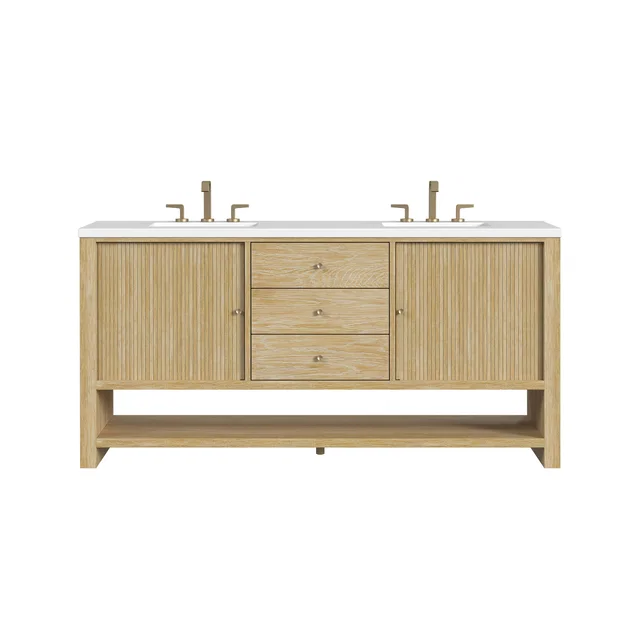
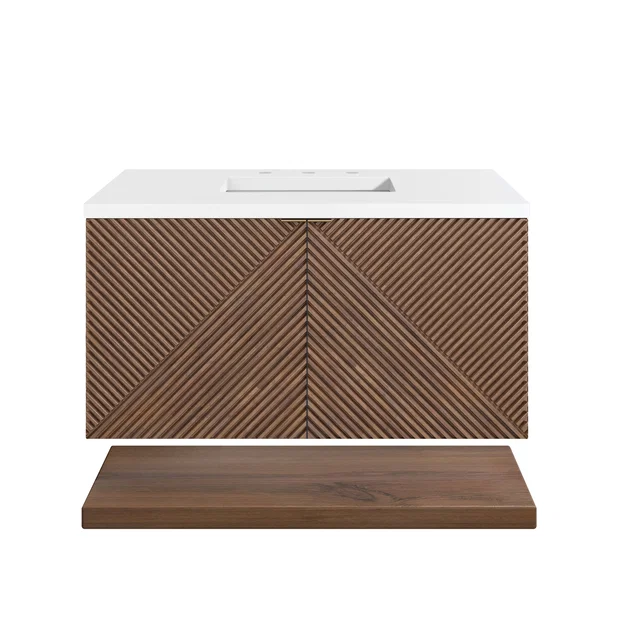
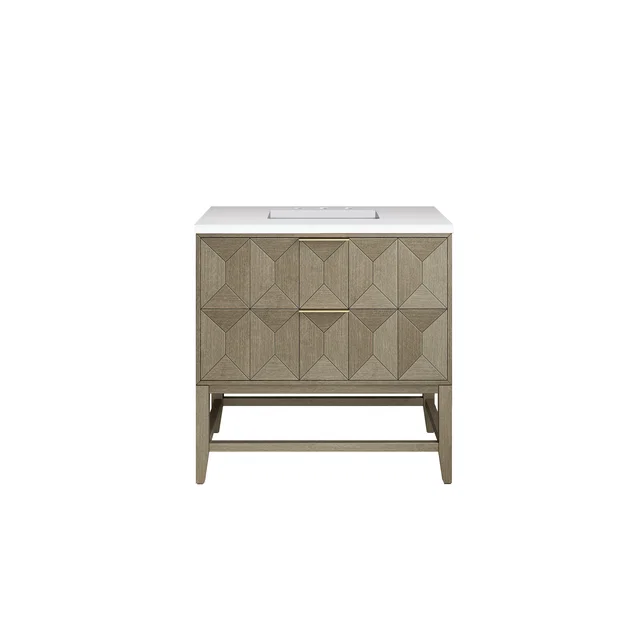
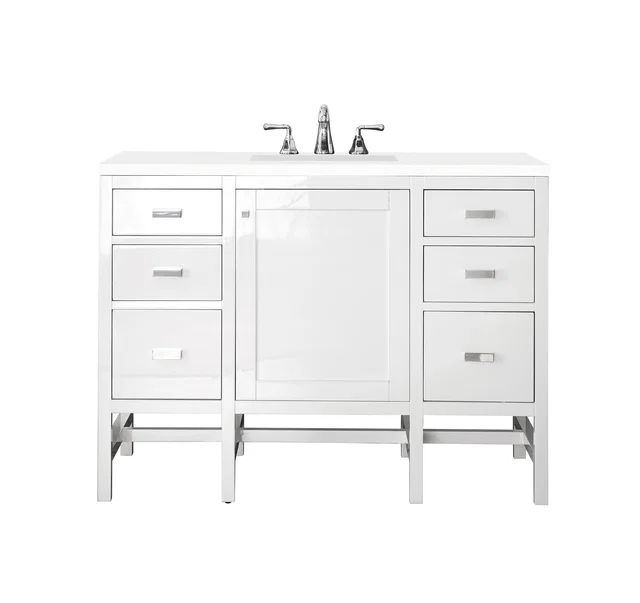
Featured Bathroom Vanities
 Sale
Sale
 Sale
Sale
 Sale
Sale
 Sale
Sale
More Guides You May Like


